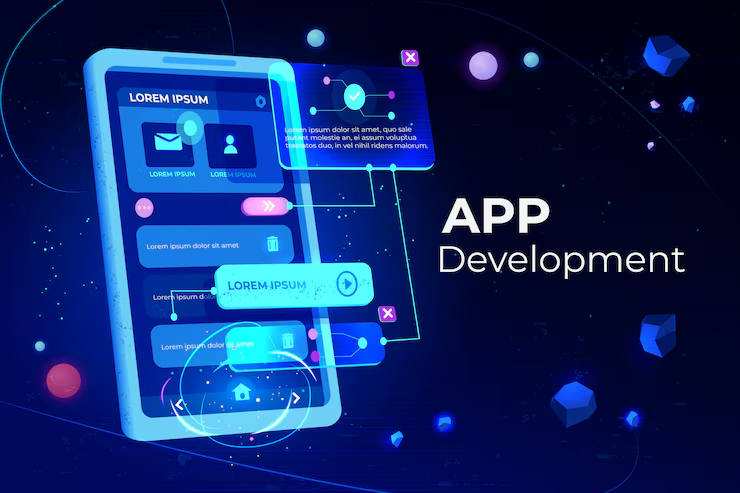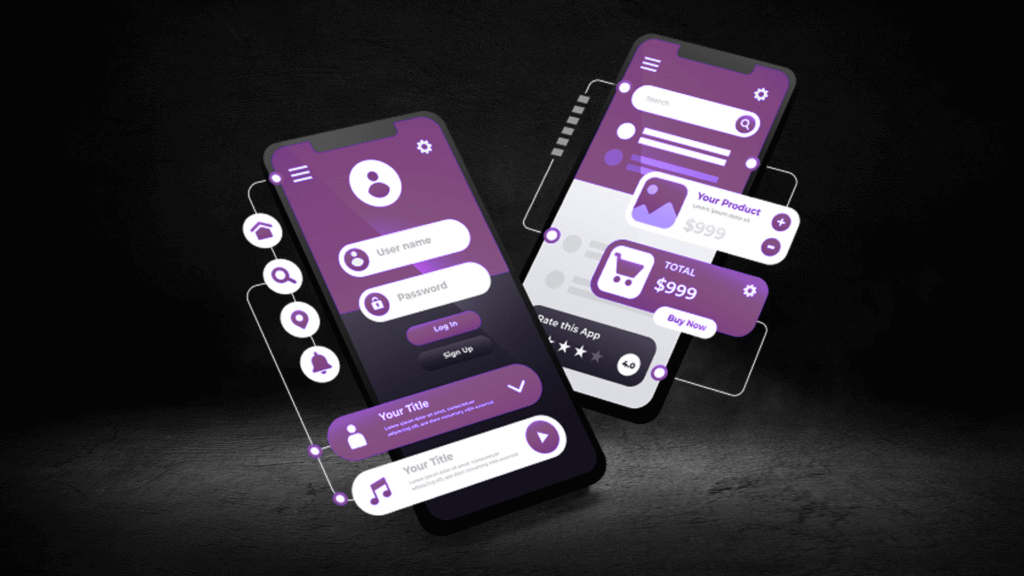
The Complete Guide to Mobile App Development for Modern Businesses
Understanding how mobile applications are transforming customer engagement, business growth, and digital innovation.
Published by Beat Digital Consult | App Development Desk
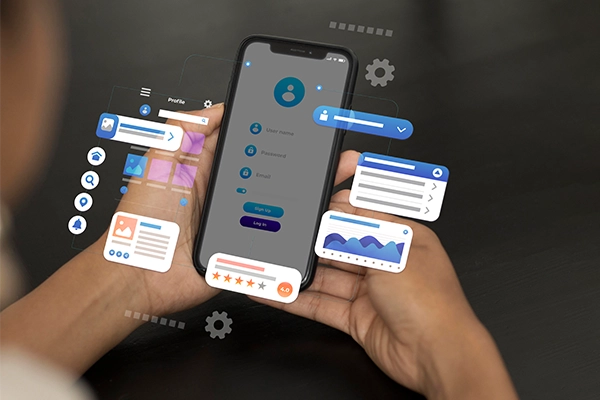
The Complete Guide to Mobile App Development for Modern Businesses
Mobile app development has become one of the most important pillars of modern digital transformation. As smartphone usage continues to increase globally, businesses are now focusing heavily on mobile applications as a direct channel to reach and engage their customers.
Unlike traditional websites, mobile applications offer faster access, personalized experiences, and deeper engagement. This makes them a powerful tool for businesses seeking to build long-term customer relationships.
From small startups to large corporations, mobile apps are now being used across industries such as retail, banking, healthcare, education, entertainment, logistics, and more.
Understanding Mobile App Development
Mobile app development is the process of designing, building, testing, and deploying software applications specifically for mobile devices such as smartphones and tablets.
These applications are typically built for operating systems like Android and iOS, which dominate the global mobile market.
Developers use programming languages, frameworks, and development tools to create apps that are functional, visually appealing, and efficient.
A mobile application is not just software — it is a direct connection between a business and its customers.
Why Mobile Apps Matter for Businesses
Mobile applications provide businesses with a direct communication channel that is always available on the user’s device. This creates opportunities for continuous engagement.
Through push notifications, businesses can instantly reach customers with updates, promotions, and important information.
Mobile apps also improve customer convenience by allowing users to access services quickly without needing to open a browser or search for a website.
This convenience significantly increases customer retention and loyalty.
The Mobile App Development Process
Developing a mobile application involves several structured stages that ensure quality and functionality.
The process typically begins with planning, where the purpose of the app, target audience, and core features are defined.
Next comes UI/UX design, which focuses on creating an intuitive and visually appealing user interface.
After design, developers begin coding the application using appropriate programming languages and frameworks.
Once development is complete, the app undergoes testing to identify and fix bugs or performance issues.
Finally, the application is deployed to platforms such as Google Play Store or Apple App Store.
Android vs iOS Development
Android and iOS are the two dominant mobile operating systems, and each requires a different development approach.
Android apps are typically built using Kotlin or Java, while iOS apps are developed using Swift or Objective-C.
Businesses often choose to develop for both platforms to reach a wider audience.
Cross-platform development tools now allow developers to build apps that work on both systems using a single codebase.
The Role of UI/UX in Mobile Apps
User interface (UI) and user experience (UX) design play a critical role in determining the success of a mobile application.
A well-designed interface ensures that users can easily navigate the app and complete tasks without confusion.
Good UX design focuses on user satisfaction, speed, simplicity, and accessibility.
Apps that are difficult to use are often abandoned quickly, regardless of their functionality.
Business Benefits of Mobile Applications
Mobile apps offer numerous benefits for businesses, including improved customer engagement, increased brand visibility, and higher sales conversions.
They also allow businesses to collect valuable user data that can be used to improve services and marketing strategies.
In addition, mobile apps help businesses build stronger brand identity by maintaining a constant presence on users’ devices.
Challenges in Mobile App Development
Despite its advantages, mobile app development also comes with challenges such as high development costs, maintenance requirements, and competition in app stores.
Security is another important concern, as mobile apps often handle sensitive user data.
Regular updates and optimization are required to keep apps functional and relevant.
The Future of Mobile Apps
The future of mobile app development is being shaped by artificial intelligence, augmented reality, and machine learning technologies.
Apps are becoming more intelligent, offering personalized experiences based on user behavior and preferences.
As technology continues to evolve, mobile applications will become even more integrated into everyday life.
Conclusion
Mobile app development is a critical component of modern business strategy. It enables direct customer engagement, improves accessibility, and supports long-term digital growth.
Businesses that invest in mobile applications position themselves for stronger customer relationships and increased competitiveness in the digital marketplace.