The Role of Mobile Applications in Driving Modern Business Growth
Understanding how mobile apps are transforming customer engagement, digital services, and global business expansion.
Published by Beat Digital Consult | Technology Desk
The Role of Mobile Apps in Modern Business Growth
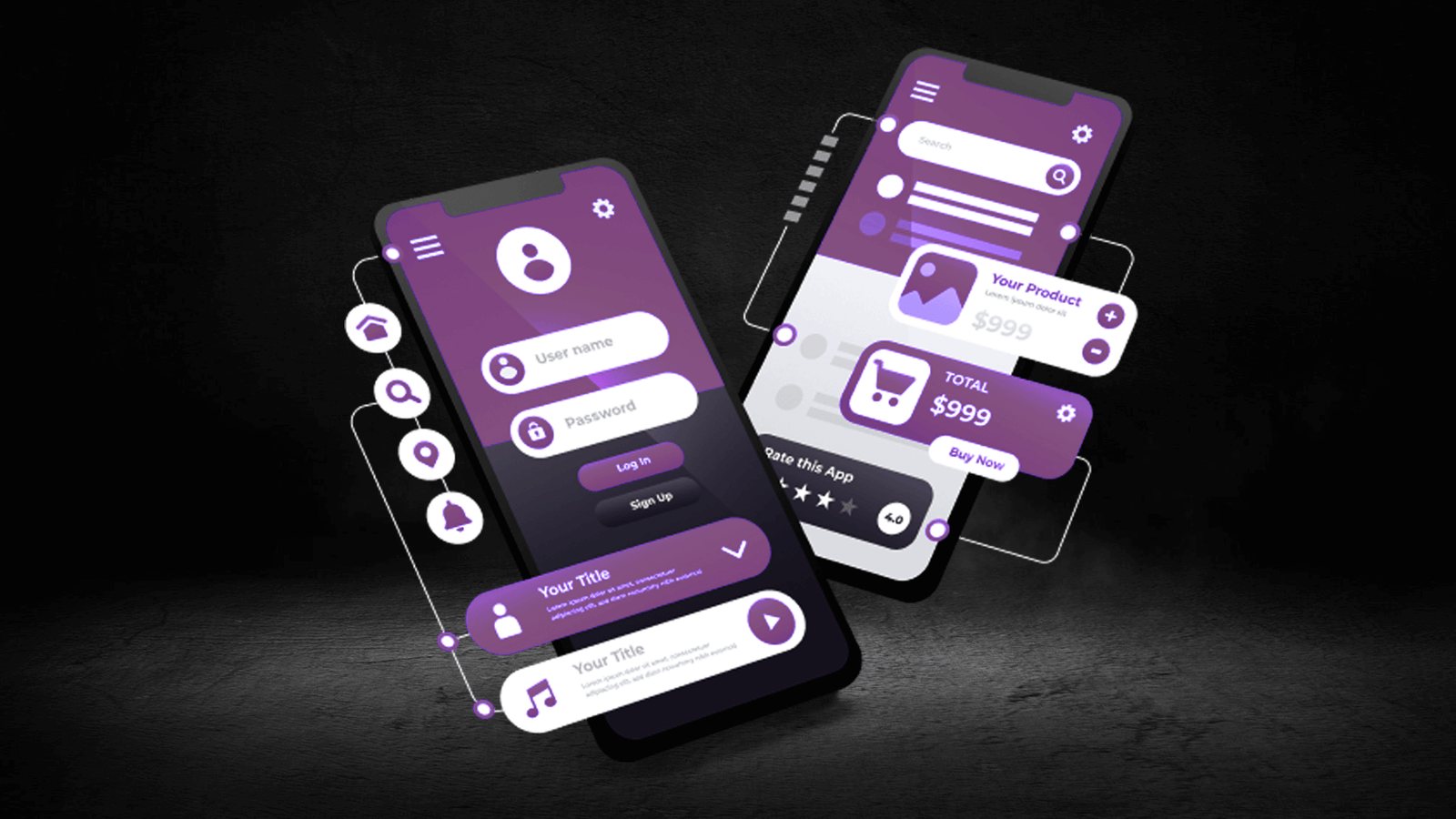
In the modern digital economy, mobile applications have become one of the most powerful tools for business transformation. As smartphone usage continues to grow globally, businesses are shifting away from traditional service delivery methods and embracing mobile-first solutions that allow them to stay connected with customers at all times.
Unlike traditional websites or physical business models, mobile applications provide a direct communication channel between a business and its customers. This constant accessibility has changed how companies operate, market their services, and deliver value to users.
Why Mobile Apps Are Becoming Essential for Businesses
Mobile applications are no longer considered optional add-ons for large companies. They are now essential tools for businesses of all sizes, including startups, small businesses, and global enterprises.
One of the key reasons for this shift is convenience. Customers prefer solutions that are fast, simple, and always available on their devices. A mobile app provides exactly that—instant access without the need to open a browser or search for information.
Businesses also benefit from stronger brand presence. Once an app is installed on a customer’s phone, the brand remains visible and accessible, increasing the likelihood of repeat engagement.
Mobile applications create a continuous connection between businesses and customers, making engagement more direct, personal, and consistent.
Improving Customer Engagement Through Mobile Apps
One of the most important advantages of mobile applications is their ability to improve customer engagement. Unlike traditional platforms, mobile apps allow businesses to interact with users in real time.
Through features such as push notifications, in-app messaging, and personalized content, businesses can communicate directly with their audience without relying on external platforms.
This real-time communication helps businesses increase customer retention, improve satisfaction, and build stronger relationships with their audience.
For example, an e-commerce app can notify users about discounts, new products, or order updates instantly. This level of interaction is not possible with traditional websites alone.
Mobile Apps and Business Efficiency
Mobile applications are not only useful for customer-facing activities but also play a major role in improving internal business efficiency.
Many companies now use mobile apps for managing operations such as sales tracking, employee communication, inventory management, and customer support systems.
By integrating these processes into a single platform, businesses can reduce operational complexity and improve productivity.
This shift also reduces the need for manual paperwork and outdated systems, allowing organizations to operate more smoothly and efficiently.
The Importance of Personalization in Mobile Applications
Modern mobile applications rely heavily on data-driven personalization. By analyzing user behavior, preferences, and interaction history, apps can deliver customized experiences for each user.
This personalization may include recommended products, tailored content, or location-based services.
Customers are more likely to engage with apps that understand their needs and provide relevant information.
As a result, personalization has become a key factor in improving conversion rates and long-term customer loyalty.
Challenges in Mobile App Development
Despite their advantages, mobile applications also present several challenges. One of the main challenges is development cost. High-quality apps require professional design, coding, testing, and maintenance.
Another challenge is competition. App stores are filled with millions of applications, making it difficult for new apps to gain visibility without proper marketing strategies.
Additionally, businesses must regularly update their apps to fix bugs, improve performance, and introduce new features to keep users engaged.
The Future of Mobile Applications
The future of mobile applications is closely tied to advancements in artificial intelligence, machine learning, and cloud computing.
These technologies will make apps smarter, more responsive, and more personalized than ever before.
We are already seeing apps that can predict user behavior, automate tasks, and provide intelligent recommendations based on real-time data.
As technology continues to evolve, mobile applications will become even more central to business operations and customer interaction.
Conclusion
Mobile applications have become a driving force in modern business growth. They improve customer engagement, streamline operations, and create new opportunities for digital expansion.
Businesses that invest in mobile technology position themselves for long-term success in an increasingly competitive digital landscape.