How Mobile Applications Are Transforming Modern Business Operations
Exploring the growing importance of mobile app development in customer engagement, business automation, and digital growth.
Published by Beat Digital Consult | Mobile App Development Desk
How Mobile Applications Are Transforming Modern Business Operations
Mobile applications have become one of the most influential technologies shaping modern business operations and customer engagement. As smartphone usage continues increasing worldwide, businesses across industries are investing heavily in mobile app development to improve accessibility, communication, and service delivery.
Consumers now rely on mobile devices for shopping, communication, entertainment, banking, education, and business interactions. This shift in digital behavior has created significant opportunities for businesses to connect with audiences through mobile platforms.
Organizations that successfully integrate mobile applications into their operations often achieve stronger customer engagement, improved operational efficiency, and enhanced digital competitiveness.
The Rise of Mobile Technology
The rapid growth of smartphones and mobile internet access has fundamentally changed how people interact with digital services. Mobile devices have become central tools for everyday communication, information access, and online transactions.
As internet accessibility expands globally, mobile applications continue becoming essential for businesses seeking to remain relevant in digital markets.
Customers increasingly expect businesses to provide mobile-friendly experiences that are convenient, fast, and accessible from anywhere.
This demand has accelerated investment in mobile application development across multiple industries.
Mobile applications are no longer optional for modern businesses — they have become essential tools for customer engagement and digital accessibility.
Why Businesses Invest in Mobile Applications
Businesses invest in mobile applications for several strategic reasons. Mobile apps improve communication, simplify customer interactions, and create direct engagement channels between businesses and users.
Applications can provide personalized experiences, push notifications, secure transactions, customer support systems, and real-time updates.
Mobile platforms also help businesses strengthen brand visibility because applications remain continuously accessible on customer devices.
This constant accessibility improves long-term customer interaction and retention.
Improving Customer Experience Through Apps
Customer experience has become one of the most important factors influencing business growth. Mobile applications allow businesses to provide faster and more convenient services tailored to user preferences.
Features such as account management, instant messaging, personalized recommendations, and mobile payments improve overall user satisfaction.
Well-designed applications reduce friction during customer interactions and simplify access to services and information.
Businesses that prioritize user-friendly mobile experiences often achieve higher customer loyalty and engagement rates.
Mobile Commerce and Digital Transactions
Mobile commerce has grown significantly as customers increasingly prefer purchasing products and services directly from smartphones and tablets.
E-commerce applications allow businesses to operate continuously while reaching customers beyond traditional geographic limitations.
Secure payment systems, digital wallets, and integrated checkout experiences have made mobile shopping faster and more convenient.
This has transformed how businesses manage online sales and customer transactions.
Business Automation Through Mobile Apps
Mobile applications also improve internal business operations through automation and workflow management.
Businesses use mobile systems for inventory tracking, employee management, customer relationship management, appointment scheduling, communication, and reporting.
Automation reduces manual workload and improves operational efficiency across departments.
Organizations can monitor business performance and access important data remotely through integrated mobile systems.
The Importance of User Interface Design
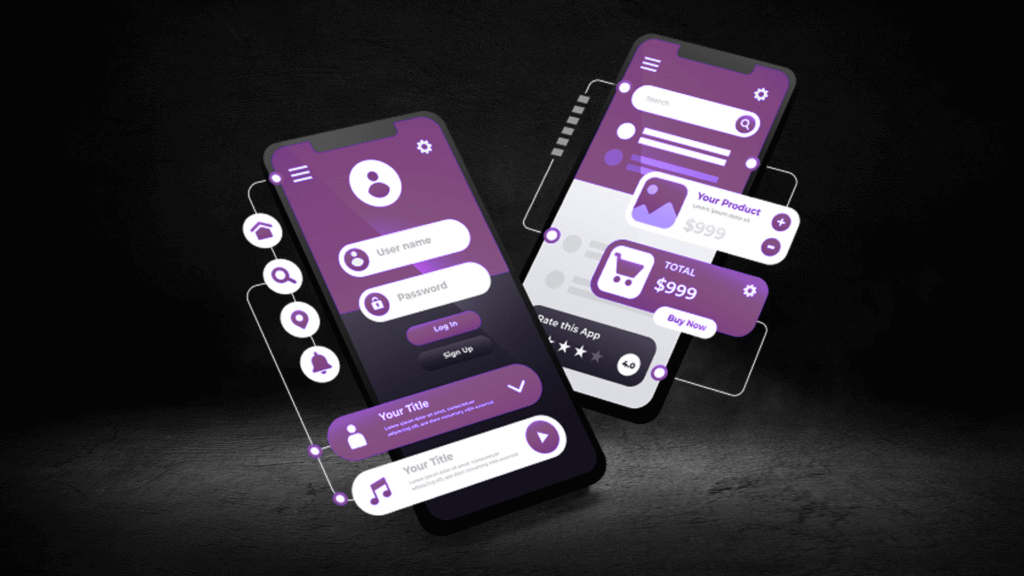
User interface design plays a critical role in mobile application success. Applications must provide intuitive navigation, clear layouts, fast performance, and responsive interactions.
Poorly designed applications often experience low user retention and reduced engagement.
Modern mobile users expect clean interfaces and smooth functionality across devices.
Professional app design therefore combines technical performance with strong visual presentation and usability principles.
Security and Data Protection
As mobile applications increasingly handle sensitive information, cybersecurity and data protection have become major priorities.
Businesses must implement secure authentication systems, encrypted communication, secure payment processing, and regular security updates.
Users are more likely to trust applications that prioritize privacy and transparent data handling practices.
Failure to maintain proper security standards can damage customer trust and business reputation.
Challenges in Mobile App Development
Despite the benefits of mobile technology, businesses often face challenges during application development and management.
Common challenges include development costs, compatibility across devices, ongoing maintenance requirements, user retention, and cybersecurity management.
Technology evolves rapidly, requiring businesses to continuously update applications and improve features to remain competitive.
Successful mobile app development requires strategic planning, technical expertise, and long-term maintenance support.
The Future of Mobile Applications
The future of mobile applications is expected to become increasingly intelligent and personalized. Artificial intelligence, augmented reality, machine learning, and advanced automation systems are already influencing mobile experiences.
Businesses are also exploring integration with wearable devices, smart technologies, and cloud-based ecosystems.
Mobile applications are expected to become even more central to communication, business operations, digital commerce, and customer engagement.
Organizations that continue investing in mobile innovation will likely maintain stronger competitiveness in digital markets.
Conclusion
Mobile applications have transformed how businesses operate, communicate, and deliver services in the digital era.
They improve customer experience, strengthen brand accessibility, support automation, and expand business opportunities across industries.
As mobile technology continues evolving, businesses that embrace professional mobile application development position themselves more effectively for long-term digital growth and operational success.