The Rise of Digital Marketing in Modern Business
How businesses are shifting from traditional advertising to data-driven digital ecosystems.
Published by Beat Digital Consult | Marketing Desk
The Rise of Digital Marketing in Modern Business
Digital marketing has become one of the most important pillars of modern business growth. Unlike traditional advertising methods that rely on television, radio, or print media, digital marketing allows businesses to reach highly targeted audiences using online platforms.
Over the past decade, the internet has transformed how people consume information, make purchasing decisions, and interact with brands. As a result, businesses have shifted their focus toward digital channels such as search engines, social media platforms, email marketing, and paid advertising networks.
Why Digital Marketing Became Essential
The rise of smartphones and internet accessibility has created a world where consumers are constantly connected. This shift has made digital marketing not just an option but a necessity for businesses that want to remain competitive.
Unlike traditional marketing, digital marketing provides measurable results. Businesses can track impressions, clicks, conversions, and customer behavior in real time.
Digital marketing is powerful because it allows businesses to reach the right audience at the right time with the right message.
Major Components of Digital Marketing
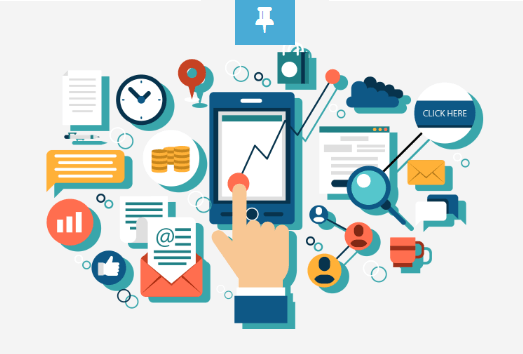
Digital marketing is made up of several interconnected strategies that work together to create visibility and engagement.
Search Engine Optimization (SEO) helps websites rank higher on Google, while social media marketing builds brand awareness and engagement across platforms like Facebook, Instagram, and TikTok.
Email marketing is used to maintain long-term customer relationships, while paid advertising helps businesses reach new audiences quickly.
The Role of Data in Digital Marketing
One of the biggest advantages of digital marketing is the ability to collect and analyze data. Businesses can understand customer behavior, preferences, and engagement patterns.
This data allows companies to optimize campaigns, reduce wasted advertising spend, and improve conversion rates.
Without data, marketing becomes guesswork. With data, it becomes strategy.
Social Media as a Marketing Engine
Social media platforms have become central to digital marketing strategies. They allow businesses to connect directly with customers in real time.
Content can go viral, reach millions of users, and generate significant brand awareness within a short period.
However, success on social media requires consistency, creativity, and understanding of audience behavior.
Challenges in Digital Marketing
Despite its advantages, digital marketing is highly competitive. Thousands of businesses are competing for attention in the same digital spaces.
Algorithm changes, rising advertising costs, and content saturation make it difficult for businesses to stand out.
This requires continuous learning and adaptation to new trends and technologies.
The Future of Digital Marketing
The future of digital marketing is closely tied to artificial intelligence and automation. AI is already being used to personalize ads, predict customer behavior, and optimize campaigns.
Voice search, video content, and interactive media are expected to dominate future marketing strategies.
Businesses that embrace these technologies early will have a competitive advantage.
Conclusion
Digital marketing has transformed the way businesses grow and connect with customers. It offers precision, scalability, and measurable results that traditional marketing cannot match.
As technology continues to evolve, digital marketing will become even more intelligent and essential for business success.